
Understanding Cataract Symptoms
Cataracts are the leading cause of reversible blindness worldwide, affecting more than 24 million Americans over the age of 40. Yet despite their prevalence, many people don't recognize the early warning signs until their vision has significantly deteriorated.
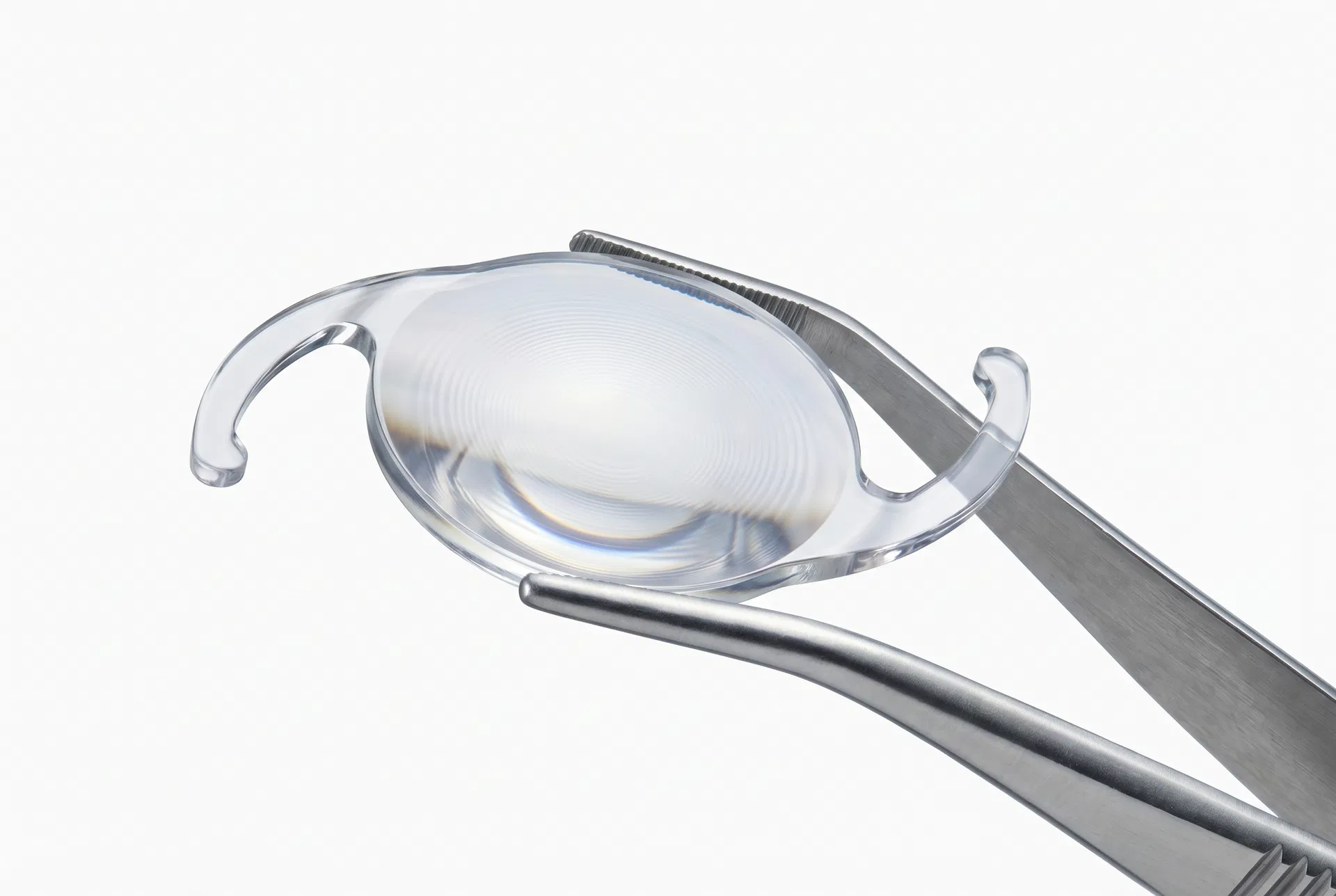
The lens of your eye — a clear, flexible structure sitting just behind the iris — focuses light onto the retina to produce sharp, clear images. When proteins within this lens begin to clump together and cloud over, a cataract forms. This process is almost always gradual, unfolding over months or years.
The Seven Core Symptoms
1. Blurry or Cloudy Vision
The most common and recognizable symptom is a general blurring or cloudiness of vision that cannot be corrected with glasses or contact lenses. Unlike refractive errors, cataract-related blur has a distinctive "foggy windshield" quality — as if you're looking through a smeared piece of glass.
2. Increased Sensitivity to Light and Glare
As the clouded lens scatters incoming light, many patients report intense glare from headlights while driving at night, halos around light sources, and a general sensitivity to bright environments. This symptom is particularly disruptive to nighttime driving and can become a significant safety concern.
3. Faded or Yellowed Colors
The lens naturally yellows with age, causing colors to appear washed out, faded, or with a brownish tint. Blues and purples are often affected first. Some patients don't notice this change until after surgery, when they're astonished by how vibrant colors appear with their new lens.
4. Frequent Changes in Prescription
If you find yourself needing new glasses or contact lens prescriptions every few months, this may indicate a developing cataract. The changing density of the clouded lens alters its refractive power, requiring frequent prescription updates.
5. Double Vision in One Eye
A cataract can cause monocular diplopia — double or multiple images when looking through the affected eye alone. This is distinct from binocular double vision (which disappears when one eye is closed) and is caused by the irregular light scattering within the clouded lens.
6. Difficulty with Night Vision
Reduced contrast sensitivity makes it harder to see in low-light conditions. Tasks like reading menus in dim restaurants, navigating stairs in the dark, or driving at dusk become increasingly difficult.
7. "Second Sight" — Temporary Improvement
In the early stages of a nuclear cataract, some patients experience a paradoxical temporary improvement in near vision — sometimes called "second sight." This occurs because the changing lens density creates a myopic (nearsighted) shift. Unfortunately, this improvement is temporary and vision will continue to decline.
When to See an Ophthalmologist
"Any change in vision — no matter how subtle — warrants a comprehensive eye examination. Cataracts are highly treatable, but early detection allows for better surgical planning and outcomes." — American Academy of Ophthalmology
You should schedule an appointment with an ophthalmologist if you notice:
- Any new blurring or cloudiness that persists for more than a few days
- Sudden changes in your glasses prescription
- Halos or glare that interfere with daily activities
- Difficulty reading even with your current prescription
- Any monocular double vision
Cataract Progression Stages
Cataracts are classified by their location within the lens and their degree of opacity:
| Stage | Description | Visual Impact |
|---|---|---|
| Incipient | Small opacity, often peripheral | Minimal to none |
| Immature | Partial clouding, some clear areas | Mild blurring |
| Mature | Complete opacity, no clear areas | Significant vision loss |
| Hypermature | Lens liquefaction begins | Severe vision loss |
Most cataracts are treated surgically during the immature stage, before they become mature and more difficult to remove.
Risk Factors That Accelerate Progression
While age is the primary risk factor, several conditions and lifestyle factors can accelerate cataract development:
- Ultraviolet light exposure — UV-B radiation from sunlight is a significant risk factor; wearing UV-blocking sunglasses is protective
- Diabetes — High blood sugar levels accelerate lens protein changes
- Corticosteroid use — Long-term use of steroid medications, particularly eye drops, increases risk
- Smoking — Doubles the risk of cataract development
- Previous eye injury or surgery — Trauma can trigger cataract formation at any age
- Family history — Genetic factors play a role in both timing and type of cataracts
The Bottom Line
Cataracts are not a medical emergency, but they are progressive. The earlier you recognize the symptoms and seek evaluation, the more options you have for managing your vision and planning treatment. Modern cataract surgery is one of the safest and most successful procedures in medicine, with a 98% success rate — but the first step is recognizing that something has changed.